How Saudi Arabia Strengthened Its Food Security Amid Global Supply Chain Shocks
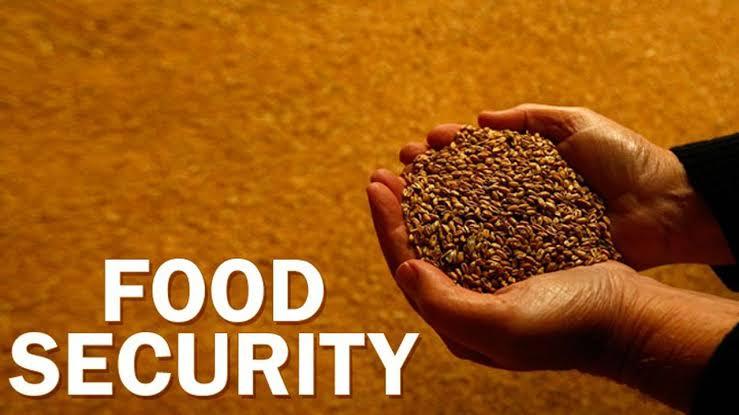
As global supply chains faced severe disruptions during the COVID-19 pandemic and the Russia Ukraine war alongside rising geopolitical tensions in the region Saudi Arabia moved decisively to strengthen its food security by expanding its agricultural sector.
Agricultural GDP rose from SAR 54 billion in 2016 to SAR 118 billion in 2025, marking a precise growth of approximately 118.5%. Meanwhile, the agricultural trade deficit declined from SAR 94 billion to less than SAR 84 billion over the past two years, signaling a significant shift toward domestic production and reduced import dependency.
Government Policies and Sector Restructuring
This transformation was driven by a package of government policies under the National Agriculture Strategy, which included the launch of 38 initiatives focused on boosting productivity and restructuring the sector.
On the food security front, the General Food Security Authority (GFSA) has been securing wheat supplies through a strategic mix of domestic production, overseas agricultural investments, and global tenders helping maintain a strategic reserve of nearly 5 million tons annually.
Financing programs have also accelerated sector growth, with the Agricultural Development Fund (ADF) providing loans exceeding SAR 18 billion, attracting an additional SAR 12 billion in private sector investments.
Amid water scarcity challenges, the Kingdom has expanded investments in water desalination to support the sustainability of agricultural production. It has also launched the “Sunbulah” initiative to empower entrepreneurs in developing tech-driven agricultural and food projects.
Rising Production and Enhanced Self-Sufficiency
Data reflects a notable improvement in self-sufficiency rates across several food products in Saudi Arabia, with surplus production recorded in key sectors.
Self-sufficiency reached 149% for shrimp, 131% for dairy products, and over 100% for table eggs indicating that domestic production now exceeds local demand. Several agricultural crops have also achieved high levels of self-sufficiency, including dates, which exceeded 120%, alongside key vegetables such as tomatoes and eggplants, which are approaching full self-sufficiency.
New Investments and Entry of Global Industry Leaders
According to Deputy Minister of Environment, Water and Agriculture, Mansour Al-Mushaiti, new investments worth SAR 3.5 billion have been announced in the agricultural sector this year, with foreign direct investment (FDI) accounting for around 20%.
A major highlight is the entry of Aviagen, a global leader in poultry breeding and strains with a 68% global market share. The company is establishing operations in Saudi Arabia with investments estimated at SAR 750 million, aiming to meet local demand and expand re-export activities.
Structural Economic Transformation
Dr. Abdullah Al-Maghlouth, a member of the Saudi Economic Association, told Riyadh Daily that the Kingdom’s progress in food security reflects deep structural transformations in the economy.
He noted that government strategies and local production support programs have enhanced market stability. Higher self-sufficiency levels also mitigate the impact of global price volatility and provide greater flexibility for policymakers in managing crises and economic challenges.
Local Models Reflecting the Transformation
In the Al-Baha region, farmer Fawzia Al-Ghamdi’s experience illustrates this transformation. What began as a hobby evolved over seven years into a fully integrated production model featuring hundreds of fruit trees and diverse food sources.
Al-Ghamdi stated that government support programs, including the “Reef” initiative, played a key role in developing her project and providing the necessary infrastructure—enabling expansion and achieving near self-sufficiency. This example highlights how government initiatives empower individuals and transform agriculture into a sustainable economic activity.
International Perspective: Innovation and Geographic Challenges
From a technical perspective, Paolo Aschierito, an expert at KPMG specializing in agricultural technologies, believes Saudi Arabia has made remarkable progress, reaching advanced levels in overall food security.
He attributes this success to significant investments in agricultural research led by Saudi universities, which have enhanced the quality of local products to compete globally—despite potentially higher production costs compared to neighboring countries.
However, he notes that Saudi “food sovereignty” continues to face challenges due to harsh natural conditions, particularly water scarcity. Nonetheless, the Kingdom’s focus on desalination and technological innovation has effectively turned Saudi Arabia into a “global hub” for sustainable agriculture in arid regions.