Why is Fadak Known as the 'City of Walls and Fortresses'?
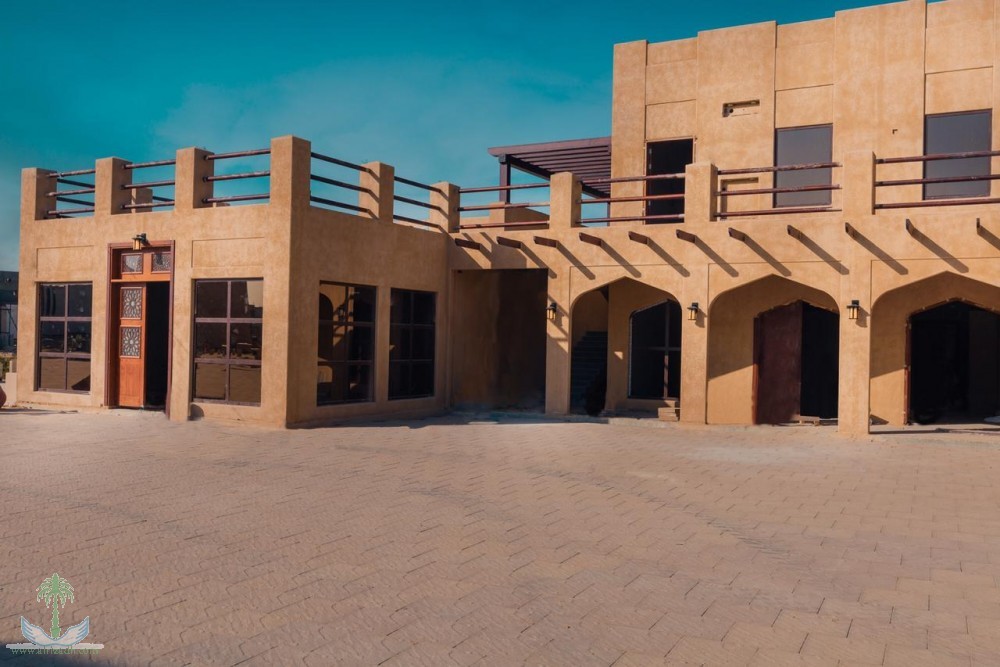
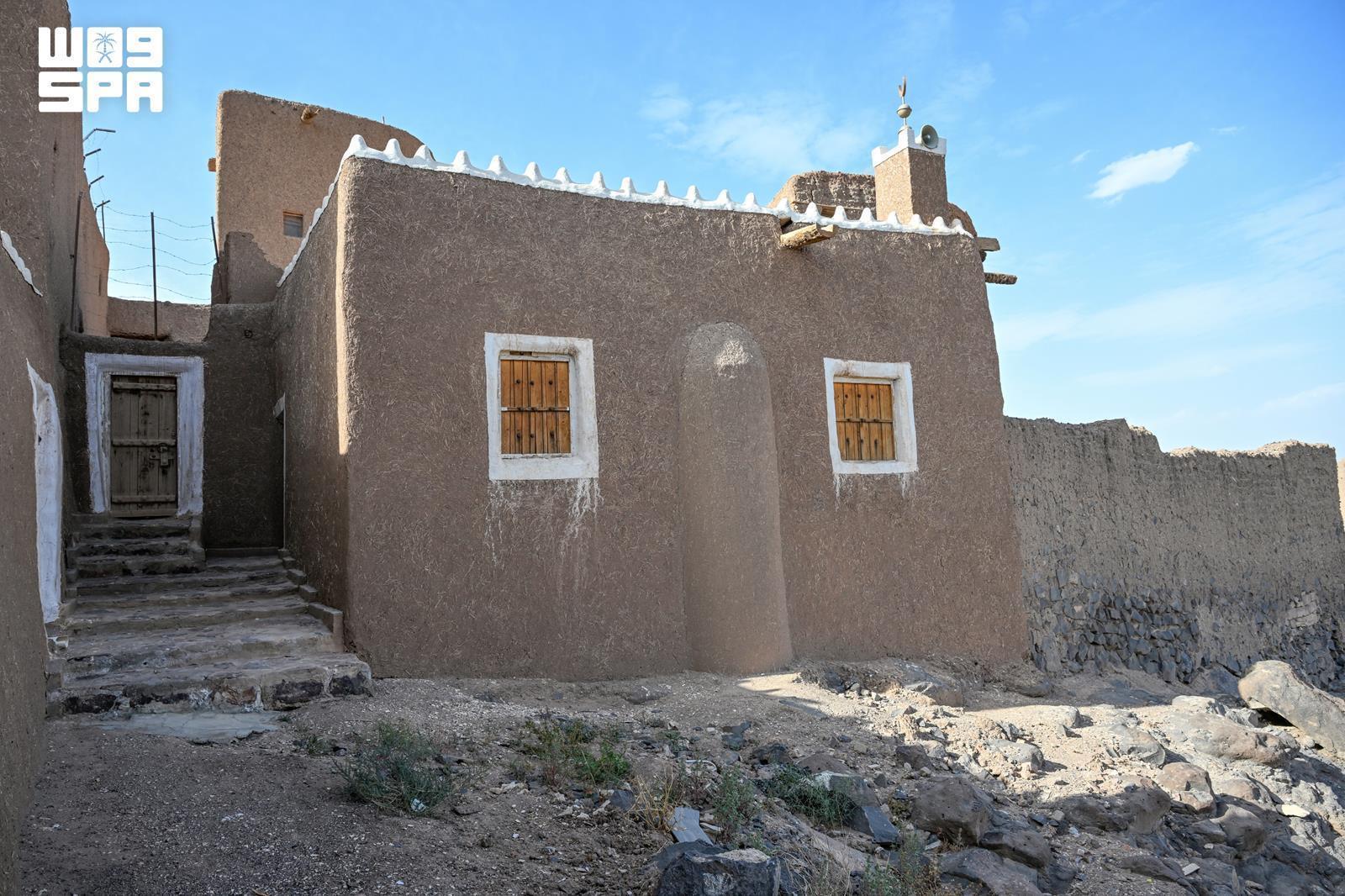
Encircled by a massive, seven-kilometer wall of rugged black lava stone, the ancient village of Fadak, known today as Al-Hait, earned its title as the "City of Walls and Fortresses." Guarded by north and south gates, the village is flanked by ancient castles and robust fortifications that still dominate the landscape.
Located 250 kilometers southwest of Hail, this historic village boasts a legacy as rich as its soil. While known in antiquity as Fadak, its modern name, "Hait Al-Nakhl" (The Palm Wall), captures its lush topography—defined by sprawling palm groves, fertile land, and abundant water.
According to the Encyclopedia of the Kingdom of Saudi Arabia, published by the King Abdulaziz Public Library, Al-Hait is one of the oldest urban centers in Hail Region. The name Fadak echoes through antiquity, recorded among the cities conquered by Babylonian King Nabonidus in the sixth century BC, and frequently cited in classical chronicles and early geographical dictionaries.
Bridging the pre-Islamic and Islamic eras, the site remains an archaeological treasure. From early rock inscriptions and crumbling fortresses to ancient stone wells and traditional farms, these enduring artifacts stand as a living testament to Fadak’s rich cultural heritage and continuous human settlement.