AlUla Advances Comprehensive Efforts to Protect and Sustain the Arabian Leopard
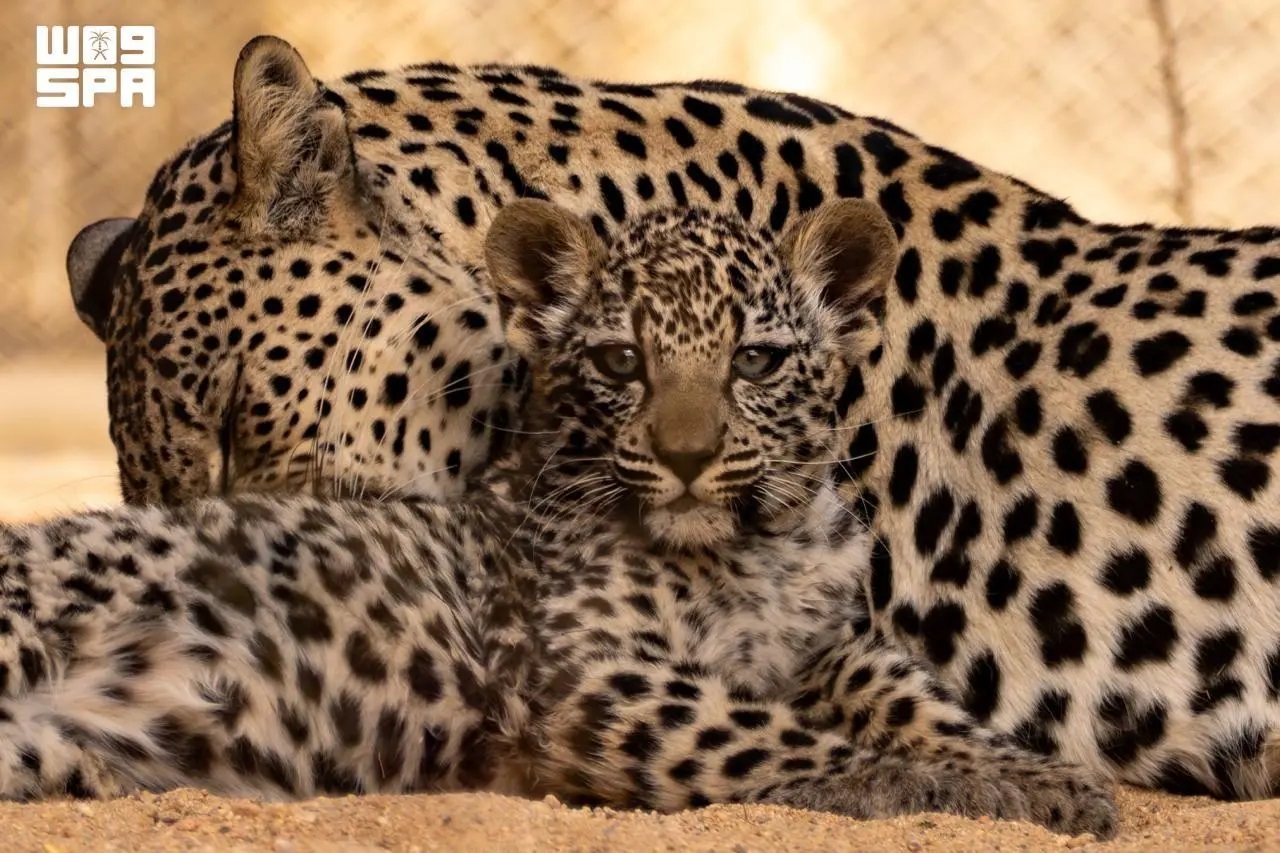
The Arabian leopard, one of the most iconic wildlife symbols of the Arabian Peninsula, is benefiting from a comprehensive system of conservation, breeding, and specialized veterinary care programs that support it throughout all stages of its life cycle. These efforts enhance its chances of survival and long-term sustainability while supporting initiatives to reintroduce the species to its natural habitats.
The conservation journey begins at an early age and continues through all stages of growth and into old age, with daily care and continuous health monitoring. Breeding programs are initiated when leopards reach three to four years of age and are based on scientific criteria that consider genetic diversity, health status, and behavioral characteristics. These measures help establish sustainable populations of Arabian leopards.
The care system includes specialized veterinary supervision, regular health examinations, and laboratory analyses, with dedicated attention given to older leopards to ensure their well-being and the quality of life. These efforts help preserve biodiversity and support the sustainability of endangered species.
The Royal Commission for AlUla continues its efforts to protect the Arabian leopard through advanced scientific programs and qualitative initiatives that reflect an integrated approach to wildlife conservation. These efforts align with the objectives of Saudi Vision 2030, which seeks to enhance biodiversity, rehabilitate ecosystems, and strengthen the Kingdom’s position as a global model in the protection, breeding, and conservation of endangered species.