Historic Hajj Route Guides Visitors Through Traditional Journey in Historic Jeddah
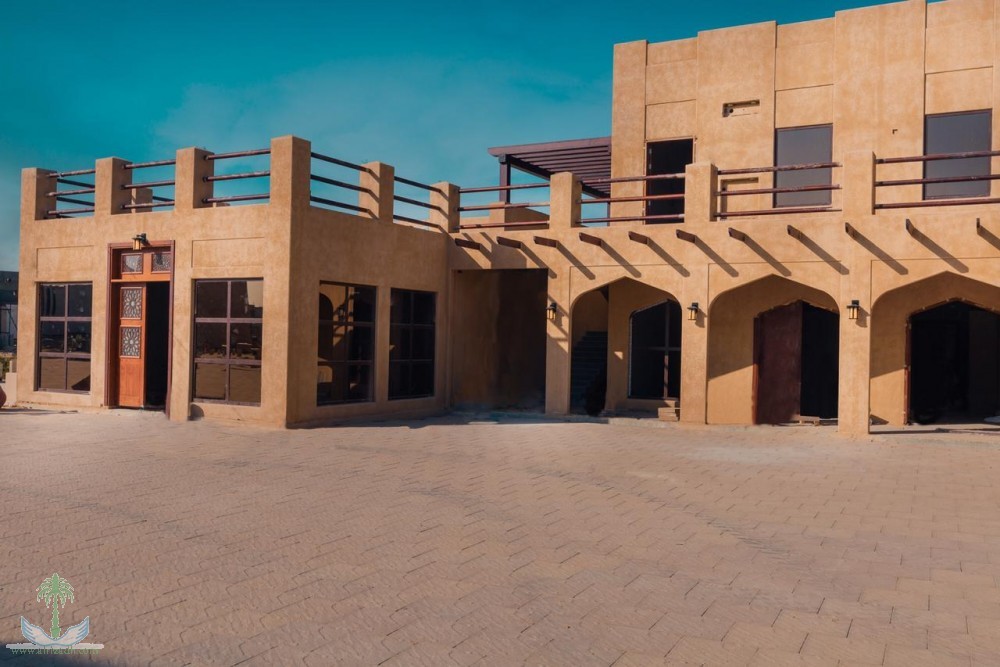
The Historic Hajj Route is enriching the cultural and tourism experience in Historic Jeddah, offering visitors insights into key historical stations once passed upon arrival in the region and providing an integrated cultural experience designed to connect them with the human and civilizational values of the area.
The initiative is implemented under the Ministry of Culture, alongside the unified welcoming identity “Hayyakum Allah” launched by the Ministry of Media’s Hajj Media Operations Center.
The journey begins at Bab Al-Bunt, one of the gates of Jeddah’s historic wall, and continues to the Red Sea Museum, which showcases Jeddah’s heritage as a major port that received pilgrims arriving via sea routes through interactive exhibits.
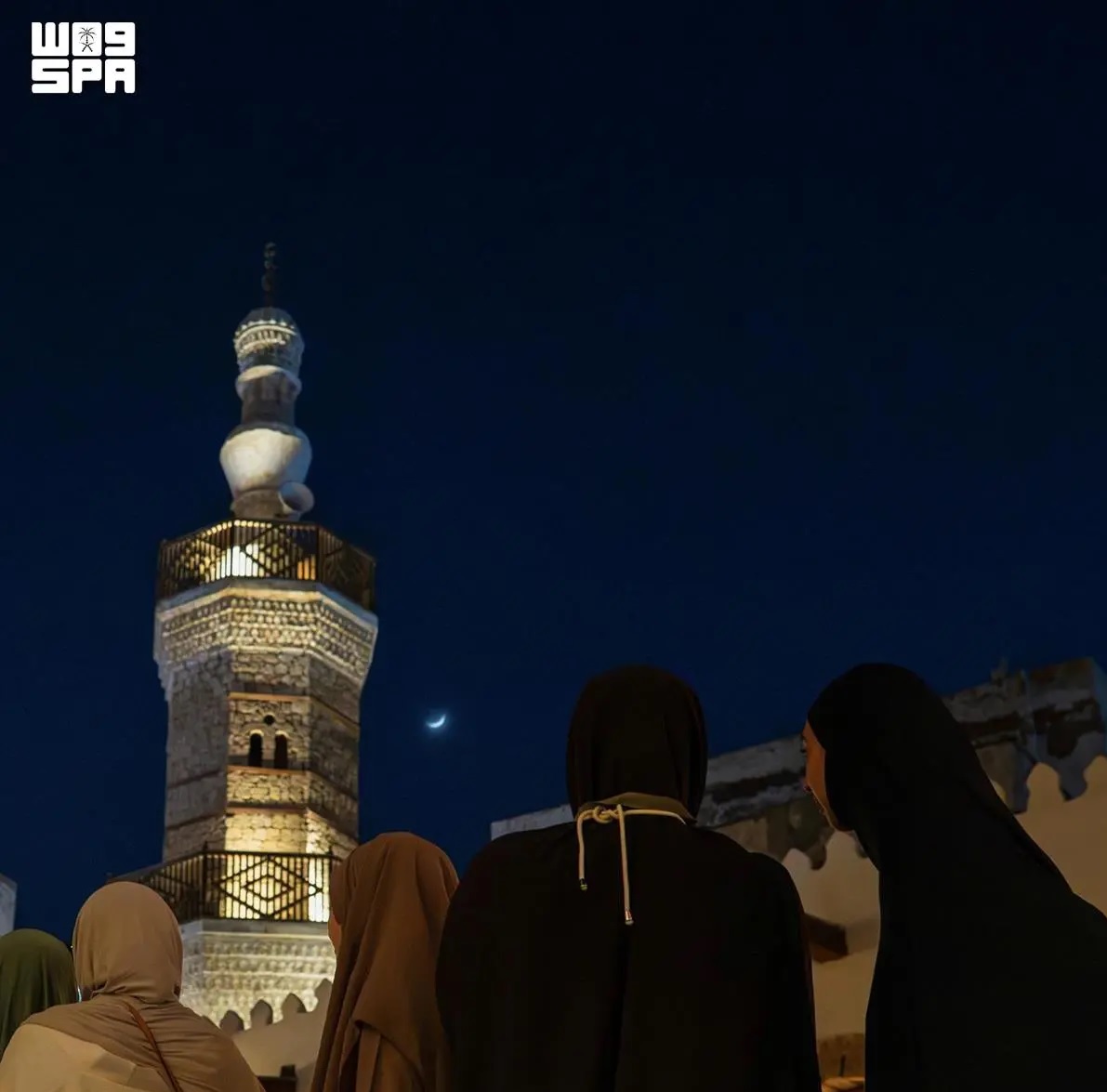
The route also includes a series of prominent heritage sites and historic mosques in Historic Jeddah, including the Al-Shona archaeological site, the Uthman Bin Affan Mosque, Al-Ma'amar Mosque, Souq Al Alawi, and Al-Maghrabi Mosque, before concluding at Bab Makkah, recreating the traditional Hajj path taken by travelers heading to the holy sites.
Historic Jeddah stands as one of Saudi Arabia’s most important cultural and heritage landmarks, with its significance further highlighted during the Hajj season as a historic gateway to Makkah.
The area historically served as the first reception point for pilgrims arriving through Jeddah’s port, a legacy that contributed to its inscription on the UNESCO World Heritage List in 2014.
The Historic Hajj Route is part of the Ministry of Culture’s efforts to embed culture as a way of life, enhance economic growth, and strengthen Saudi Arabia’s global cultural presence.
The initiative aims to position Historic Jeddah as a vibrant cultural hub and an international destination for visitors from around the world. It aligns with Vision 2030 goals to enrich the visitor experience, preserve heritage sites, and present them in a contemporary way.