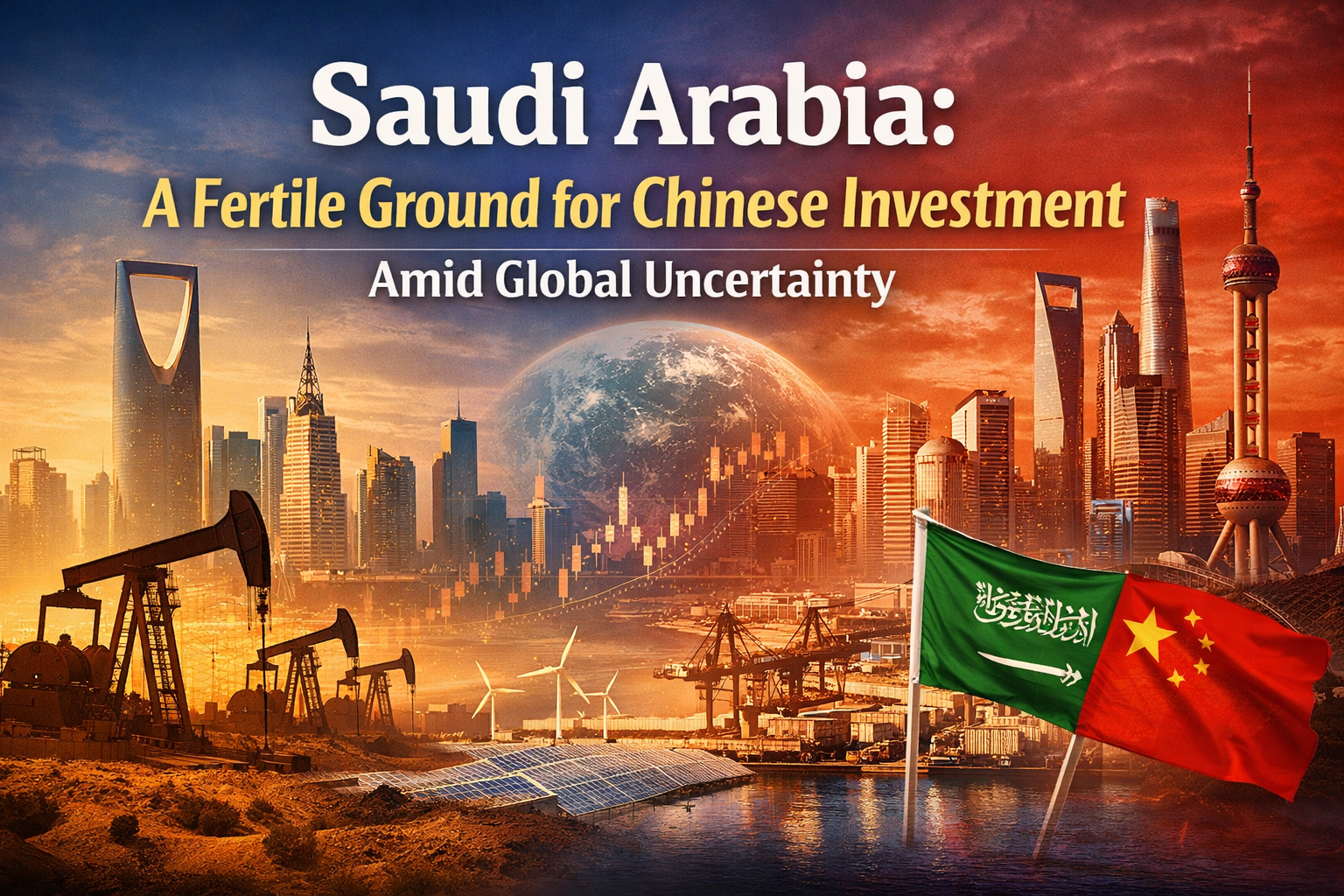
Saudi Arabia: A Fertile Ground for Chinese Investment Amid Global Uncertainty
In recent years, the comprehensive strategic partnership between China and Saudi Arabia has steadily deepened, delivering tangible investment outcomes across key sectors such as energy, infrastructure, renewable energy, the digital economy, and advanced manufacturing. This expanding cooperation has not only strengthened bilateral economic ties but also contributed to broader regional growth.
However, rising geopolitical tensions—particularly in the context of U.S.–Iran dynamics—have introduced new uncertainties to global energy markets and regional supply chains. These developments have inevitably created short-term pressures on foreign investments, including those of Chinese companies operating in Saudi Arabia.
Yet, despite these external challenges, Saudi Arabia has demonstrated a remarkable ability to maintain internal stability and investor confidence. The Kingdom’s neutral diplomatic stance, coupled with its firm commitment to safeguarding foreign investments, has ensured the continued operation of industrial zones and major strategic projects without direct disruption. This resilience reinforces Saudi Arabia’s position as a reliable and secure investment destination.
At a deeper level, the foundations of China–Saudi cooperation remain fundamentally strong. The relationship is built on mutual benefit and non-interference, allowing both countries to pursue economic collaboration without political constraints. This approach aligns closely with their long-term strategic interests and enhances trust between both sides.
More importantly, Saudi Arabia’s Vision 2030 continues to converge with China’s Belt and Road Initiative, creating powerful opportunities for collaboration. China’s strengths in capital, technology, and industrial capacity complement Saudi Arabia’s ambition to diversify its economy and localize key industries. This structural alignment ensures that cooperation between the two countries is not only resilient—but also forward-looking.
In an increasingly uncertain global environment, Saudi Arabia’s investment appeal is becoming even more pronounced. As countries and investors seek stability and diversification, the Kingdom stands out as one of the most secure and strategically positioned markets in the Middle East. Its strong economic fundamentals, ongoing reforms, and large-scale national projects continue to attract long-term capital.
Key areas of future cooperation include:
- Energy security and stable supply chains
- Clean and renewable energy development
- Logistics infrastructure and regional hub positioning
- Localization of advanced industries
These sectors are central to building more resilient supply chains while accelerating Saudi Arabia’s transition toward a diversified, innovation-driven economy.
To further strengthen this partnership and address short-term challenges, several policy directions can be considered. Enhancing investment protection mechanisms and maintaining policy coordination between both sides will be essential to reducing geopolitical risks. At the same time, improving logistics efficiency, streamlining trade procedures, and reducing transportation costs can significantly support project execution.
In addition, shifting from traditional contracting models toward technology transfer, local manufacturing, and joint industrial development will create deeper and more sustainable economic value. Strengthening financial risk management tools—such as geopolitical risk insurance and local currency settlements—will also play a key role in safeguarding investment flows.
Equally important is shaping a clear and accurate international narrative. Strengthening cooperation with major media platforms and proactively communicating Saudi Arabia’s stability and economic progress will help counter misinformation and reinforce investor confidence.
Ultimately, China–Saudi investment cooperation is rooted in trust, shared interests, and long-term strategic alignment. While geopolitical tensions may create temporary disruptions, they do not alter the fundamental trajectory of this partnership.
Chinese investors continue to view Saudi Arabia as a fertile ground for investment—driven by its high level of security, strong economic performance, and ambitious transformation agenda.
Looking ahead, deeper collaboration across security, logistics, innovation, finance, and communication will be key to building a more stable and efficient investment environment—one that supports the successful realization of Vision 2030 and paves the way for a new era of shared growth between China and Saudi Arabia.
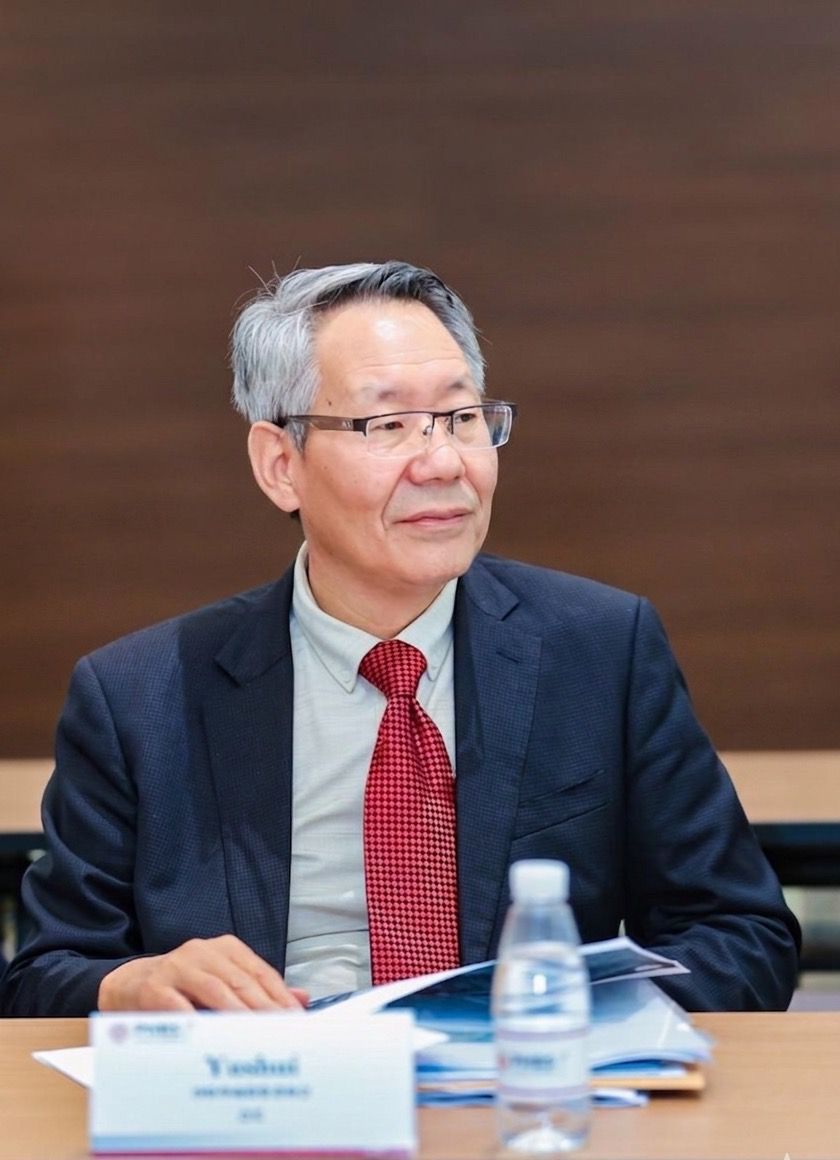
By Yu Shui – Editor-in-Chief, Phoenix Middle East & Saudi Arabia