The Year of Handicrafts 2025 at Ithra: A Celebration of Cultural Heritage and Artistic Innovation
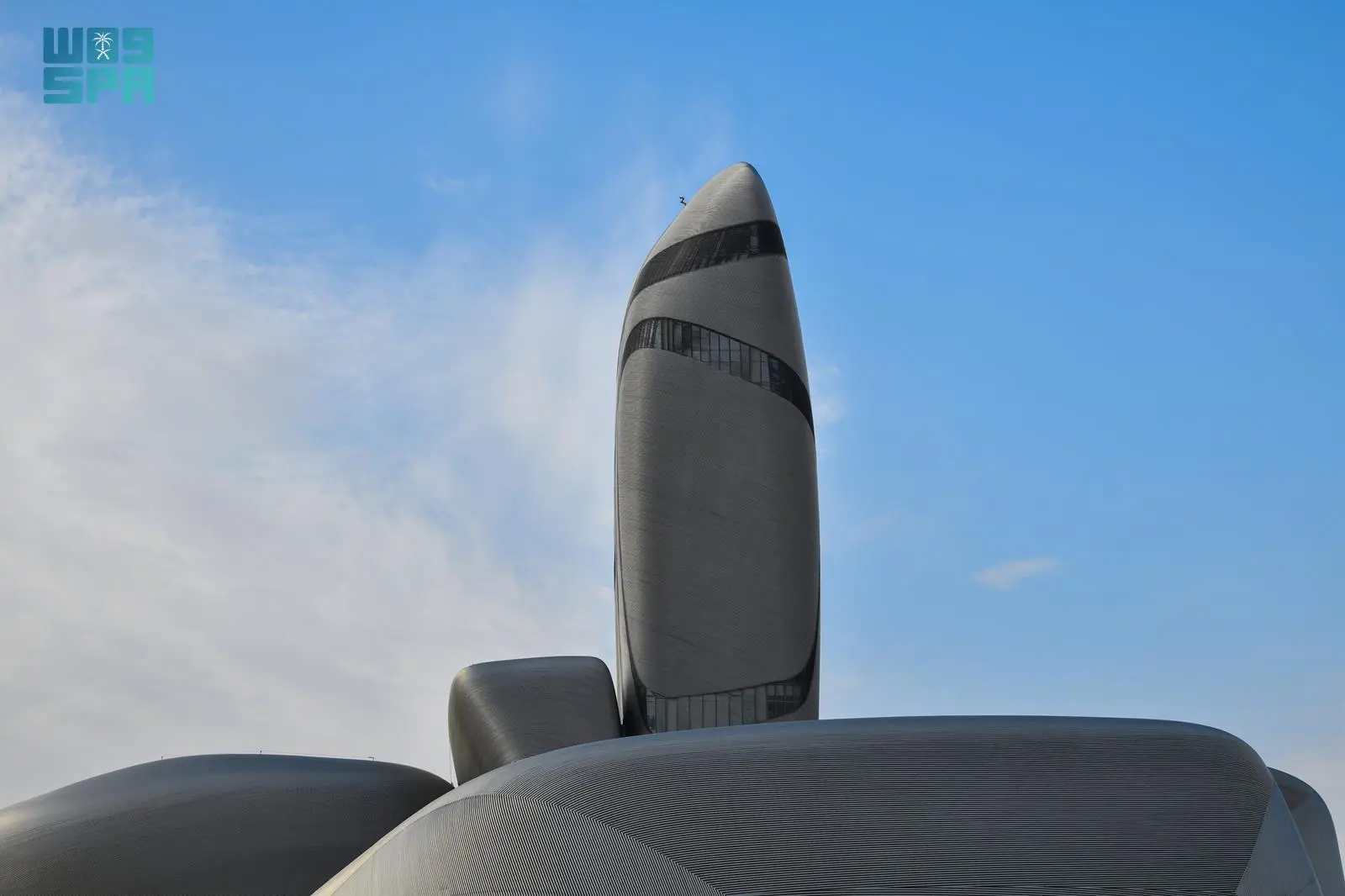
The King Abdulaziz Center for World Culture (Ithra), an initiative by Saudi Aramco, offered a wide-ranging program of initiatives dedicated to elevating handicrafts in 2025. Throughout the year, Ithra presented more than 25 programs and events, featuring over 100 artists, offering new perspectives on handicrafts as evolving cultural practices—shaped by lived experience and in dialogue with contemporary artistic production. Through this integrated approach, Ithra bridged heritage with its social contexts, strengthening the presence of craft within today’s cultural landscape.
According to a recent press release from the center, Ithra presented seven art exhibitions, four of which launched this year, featuring more than 100 Saudi and international artists. The exhibitions approached craft as a deeply rooted aesthetic and cultural practice. "Eternal Crafts: The Art of the Manuscript" exhibition offered audiences an immersive introduction to Islamic illumination, featuring artisans specializing in papermaking, calligraphy, and gilding.
"Eternal Crafts: Communal Weaving" exhibition offered a contemporary reading of weaving, highlighting the high level of skill and inherited collective labor embedded within the craft. It positioned weaving as a living tradition—one that evolves over time while preserving its communal essence. In a related context, the "Crafts in Conversation: A Convergence Between Traditional and Contemporary Art" exhibition served as a platform to explore the intersections between artisanal practices and contemporary artistic experimentation. The exhibition brought together works by contemporary artists who reinterpreted traditional crafts through creative practice, alongside selected pieces of historical Islamic art from Ithra’s collection.
Complementing these explorations, the "Continuation of a Craft: Saudi Traditional Costumes" exhibition shed light on Saudi Arabia’s heritage of traditional attire and jewelry, revealing the craftsmanship behind their design and production. Through materials, techniques, and ornamentation, the exhibition highlighted the cultural diversity that characterizes the Kingdom’s regions.
"Horizon in Their Hands: Women Artists from the Arab World" exhibition offered a visual and narrative experience that re-examined the relationship between craft and art, foregrounding women’s voices and the boundaries of artistic practice. Fifty Arab women artists shared their stories through works that drew on the past and reimagined it through the lens of modern art. Drawing from selected pieces from the Barjeel Art Foundation and Ithra’s collection, the exhibition connected Arab creativity to the modernist movements that began to take shape more than half a century ago.
A pivotal moment in this trajectory was "In Praise of the Artisan," an exhibition featuring newly commissioned contemporary works created by highly skilled artisans. The exhibition traced the evolution of Islamic crafts, highlighting their historical centers and positioning craft as a bridge that connects time, place, and knowledge. Alongside it, "Baseqat: The Palm Tree" exhibition explored the creative potential of the palm tree—from palm-leaf weaving and papermaking to textile techniques—linking craft to the local environment.
As part of its efforts to deepen artistic engagement with craft, Ithra launched the Khoos Residency under the Khoos initiative, one of the creative programs introduced this year. The residency brought together artisans, designers and artists, with the participation of Saudi and international artists, to explore new visions for palm heritage, grounded in traditional roots and shaped by a forward-looking perspective that merged heritage with innovation.
This approach also translated into a visual outcome through the documentary Sa‘fa, which offered a contemplative visual and narrative exploration of palm weaving.
On the international stage, Ithra continued to expand its global presence through its partnership with Turquoise Mountain in launching "Patterns of Faith," an exhibition offering a contemporary perspective on craftsmanship within Islamic art and featuring a curated selection of artisanal works.
Furthermore, Ithra strengthened its presence through participation in the ICOM Pavilion in Dubai, where it showcased three key projects: the Khoos initiative, "In Praise of the Artisan," and the "Hijrah: In the Footsteps of the Prophet" exhibition. Through these projects, Ithra aimed to connect material heritage with contemporary creative practice, while integrating research and cultural storytelling into museum experiences. In Barcelona, Ithra participated in Mondiacult 2025, hosting a session that explored intangible cultural heritage.
Across its cultural programming, artisanal heritage remained a central focus of several initiatives. Among the most prominent was the Ithra Summer Camp, held this year under the theme "Little Hands, Big Ideas." Designed for children, the program offered an interactive educational experience that nurtured curiosity and introduced young audiences to the richness of local heritage in an accessible and inspiring way.
In addition, a series of in-depth panel discussions was held as part of the program, the Authenticity of Crafts: A Journey through Saudi Heritage. These sessions brought together artisans, researchers and authors who have documented the history of handicrafts.
The Pockets of Light program also played a notable role within this trajectory. Through a series of sessions, the program explored the stories of crafts and their evolution across eras, examining their contribution to enhancing the quality of life while underscoring the importance of safeguarding traditional crafts and professions as an authentic cultural legacy passed down through generations.
The release highlighted that 2025 marked a year of intensified engagement for Ithra with the Year of Handicrafts across its programs and exhibitions, creating meaningful opportunities for artisans to actively participate and share their expertise with visitors and audiences. This approach reflects Ithra’s ongoing efforts to elevate this heritage and support its place as an integral component of national identity and cultural legacy.