Traditional Farming Lexicon in Qassim Reflects Deep Heritage of Date Palm Cultivation
In Qassim Region, generations of date palm cultivation have created a rich, specialized vocabulary that documents every stage of farming, from early pollination and seasonal harvests to traditional irrigation, storage, and craftmaking.
This agricultural lexicon provides precise terms for the entire growth and harvesting cycle. Early in the season, selective picking of early-ripening dates is distinguished from the comprehensive final harvest when the full yield is gathered. Specialized containers handwoven from palm fronds were traditionally used during collection, demonstrating how every part of the tree was integrated into daily farming operations.
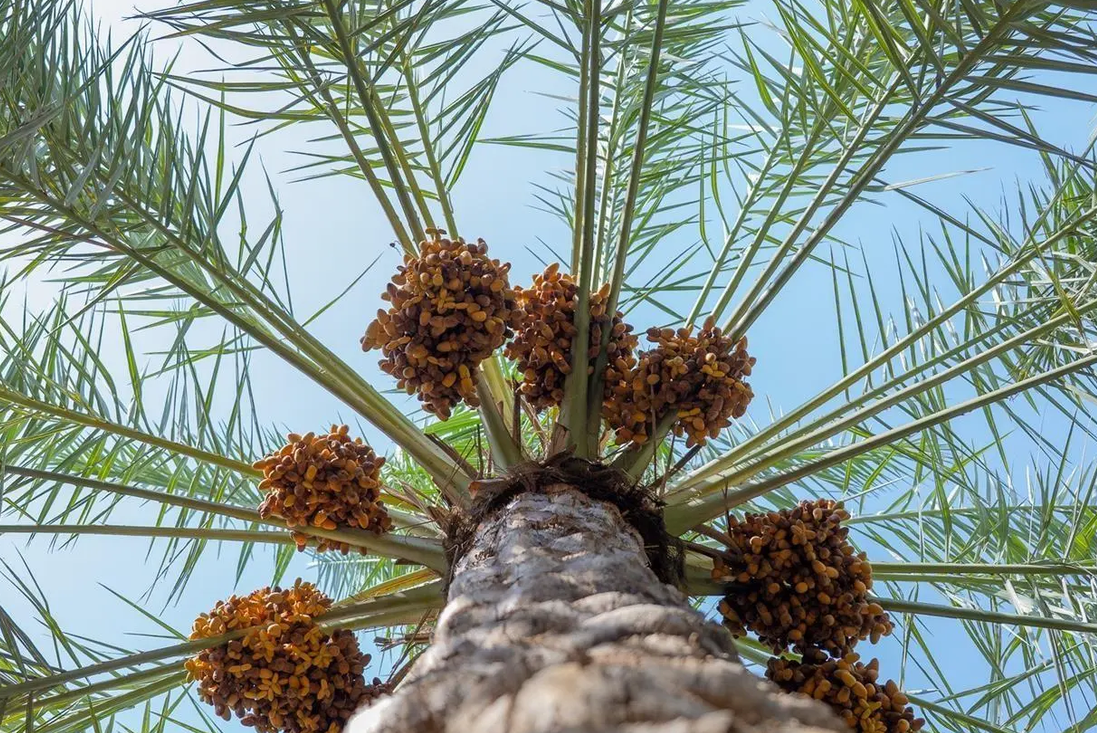
Beyond harvesting, the terminology covers the tree's anatomy and traditional water systems. Farmers developed distinct names for palm clusters, fronds, leaf bases, and offshoots used for replanting. Words also defined traditional floodwater diversion channels and irrigation basins, reflecting early expertise in arid water conservation and land management.
The language of palm cultivation extended into domestic life and food security. Traditional plaster-lined storage rooms were designed to preserve stacked dates over long periods while collecting natural date syrup through bottom drainage channels, securing essential food supplies year-round for domestic consumption and trade. Palm materials were also utilized in home construction, roofing, rope making, and mat weaving.
Rooted in classical Arabic, this linguistic heritage remains active across regional markets and modern youth training initiatives and programs, preserving the Kingdom's intangible cultural legacy alongside ongoing advancements in agricultural technology.