Traditional Architecture in Makkah: A Legacy of Identity and Culture
Makkah is defined not only by modern architecture and renewed road networks but also by ancient details that resonate with life. Its old alleys and archaeological buildings intertwine, creating a memory of a place that has long been a destination for hearts before it was for feet.
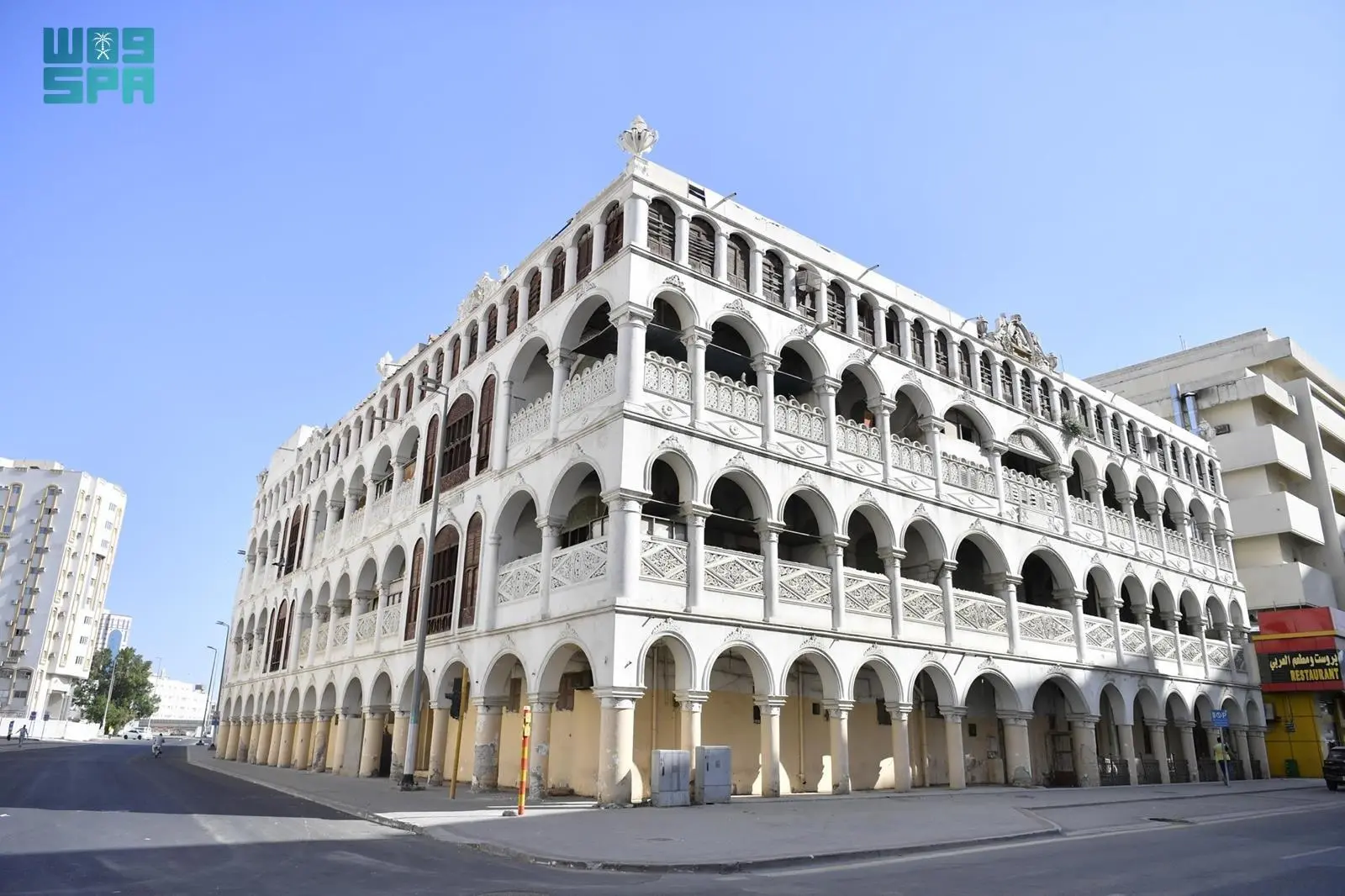
Makkah exemplifies a city where the religious meets the historical and the spiritual meets the urban. Archaeological structures throughout its neighborhoods serve as living documents, documenting societal transformations while respecting the sanctity of the site.
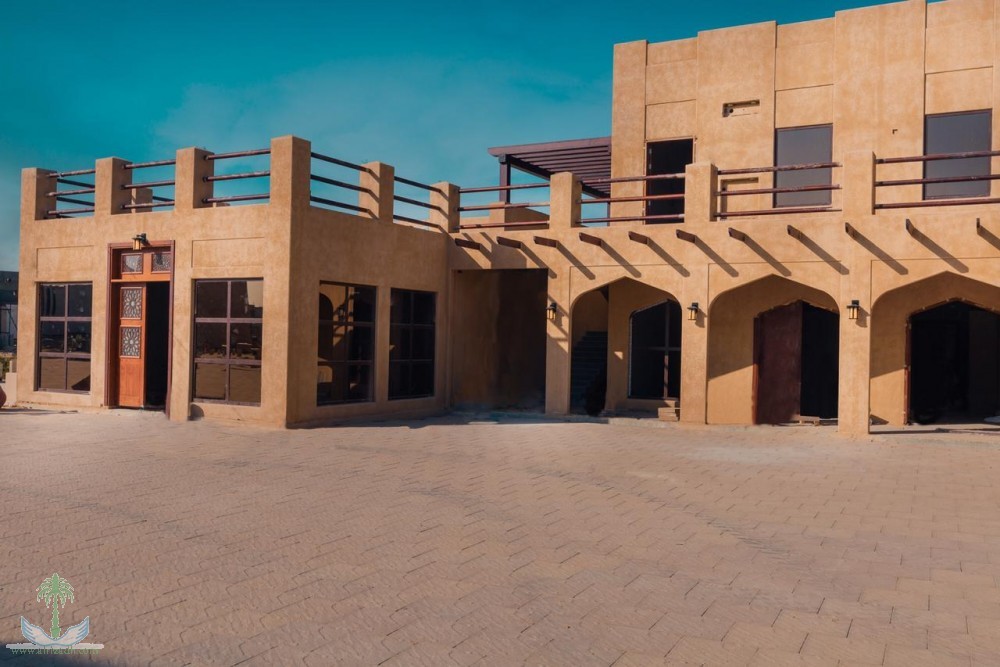
Traditional Makkah architecture is marked by local materials, natural ventilation, and designs that ensure privacy. Despite the passage of time, these buildings retain their authentic spirit, reflecting the generations that shaped the city’s identity.
With Makkah’s rapid urban renaissance, preserving this historical legacy is crucial, as emphasized by the campaign launched by the Royal Commission for Makkah City and Holy Sites. This heritage is vital to the city's identity. Efforts in documentation, restoration, and revitalization aim to balance modernity with historical preservation for future generations.
Urban heritage specialists assert that protecting old buildings and markets involves integrating them into the modern urban landscape, allowing them to remain active and fulfill their cultural and humanitarian roles.
The Makkah campaign seeks to present historical sites as witnesses to significant events, using accessible content to enhance the visitor experience and transform these sites into living repositories of knowledge.