"Buraidah Kleija" Boosts Local Economy Through Professional Sustainability
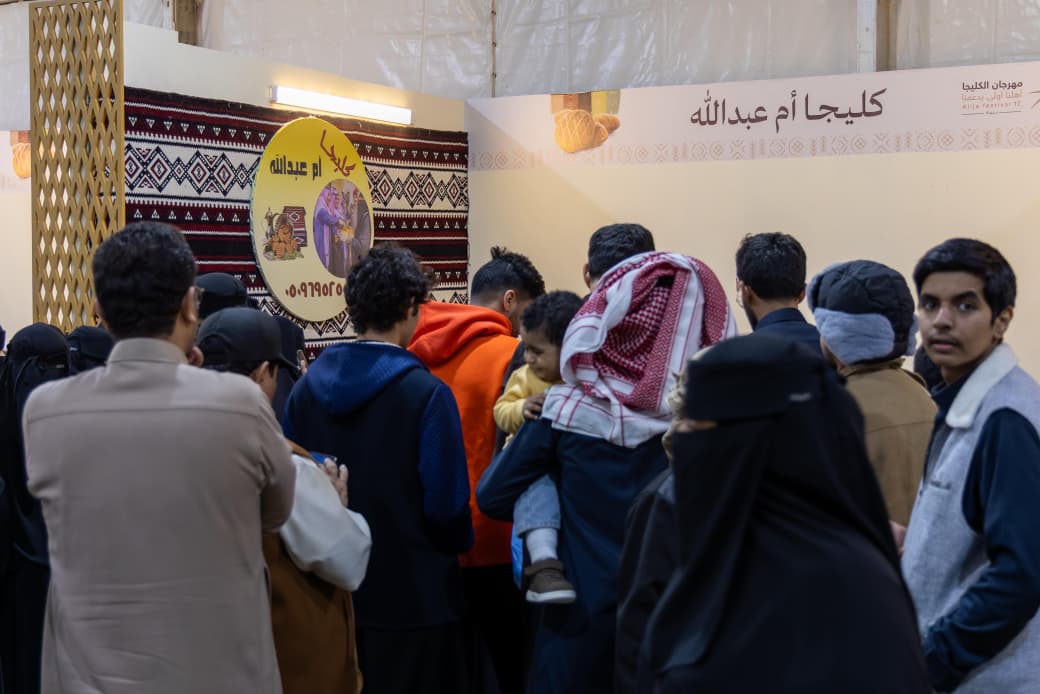
The 17th edition of the Buraidah Kleija Festival, organized by the Qassim Chamber of Commerce at the King Khalid Cultural Center in Buraidah, aims to leverage specialized seasonal events to stimulate the local economy and support small and micro enterprises. This is achieved by opening up opportunities for professional and commercial sustainability through direct marketing channels for productive families, artisans, and freelancers.

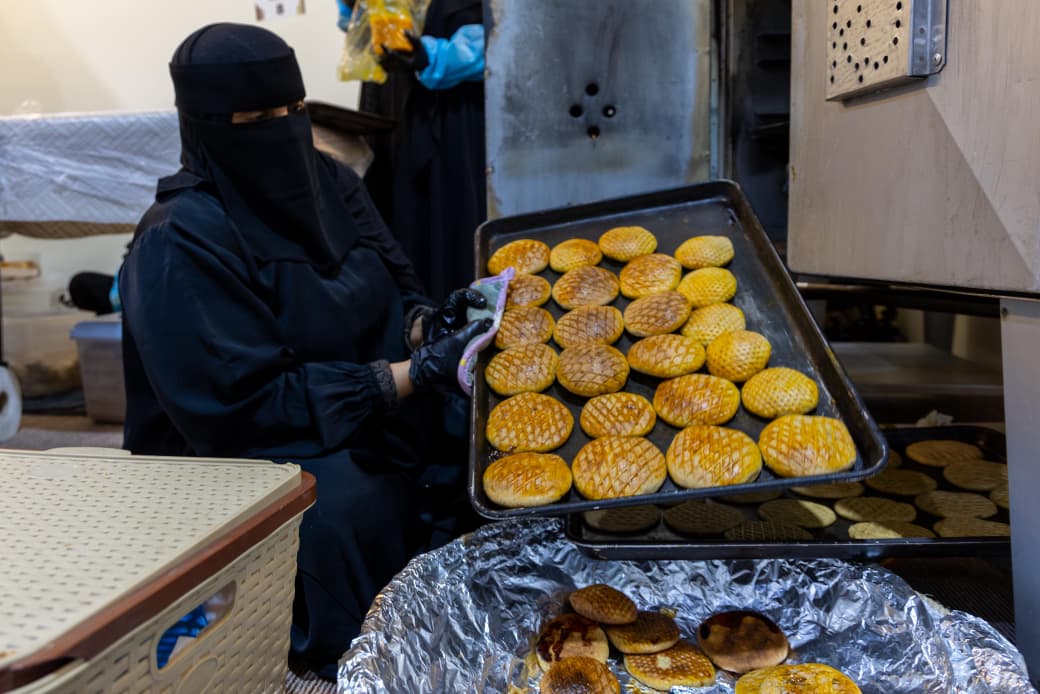
Sustainability and the continuity of work and income are the goals of more than 18 Kleija makers, along with approximately 170 productive families, over 18 artisans, nearly 15 food trucks, and around 55 companies and institutions participating in the festival. This reflects the significant economic activity generated by the event, both in terms of food and craft production and the accompanying commercial activity, thus contributing to increased economic returns for participating families.
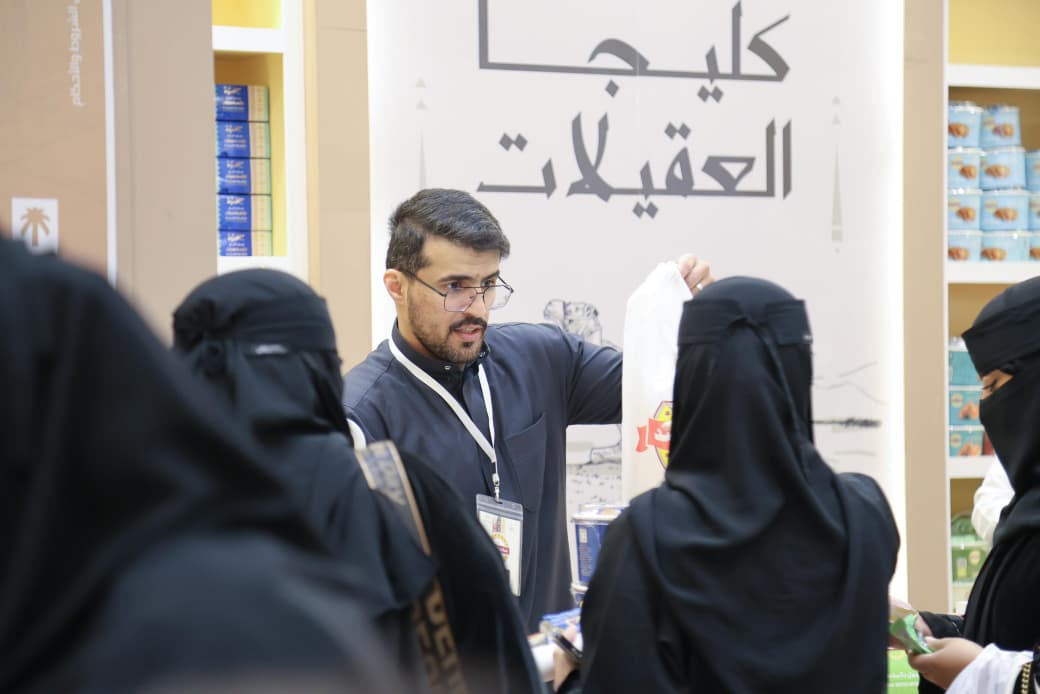
The Secretary-General of the Qassim Chamber of Commerce and Industry and General Supervisor of the Buraidah Kleija Festival, Mr. Mohammed Al-Hanaya, affirmed that the festival is part of the Chamber's efforts to bolster the region's economy, empower productive families, artisans, and entrepreneurs, and transform them into sustainable economic entities. He emphasized that the festival is not merely a heritage event, but a comprehensive economic incubator supporting self-employment.
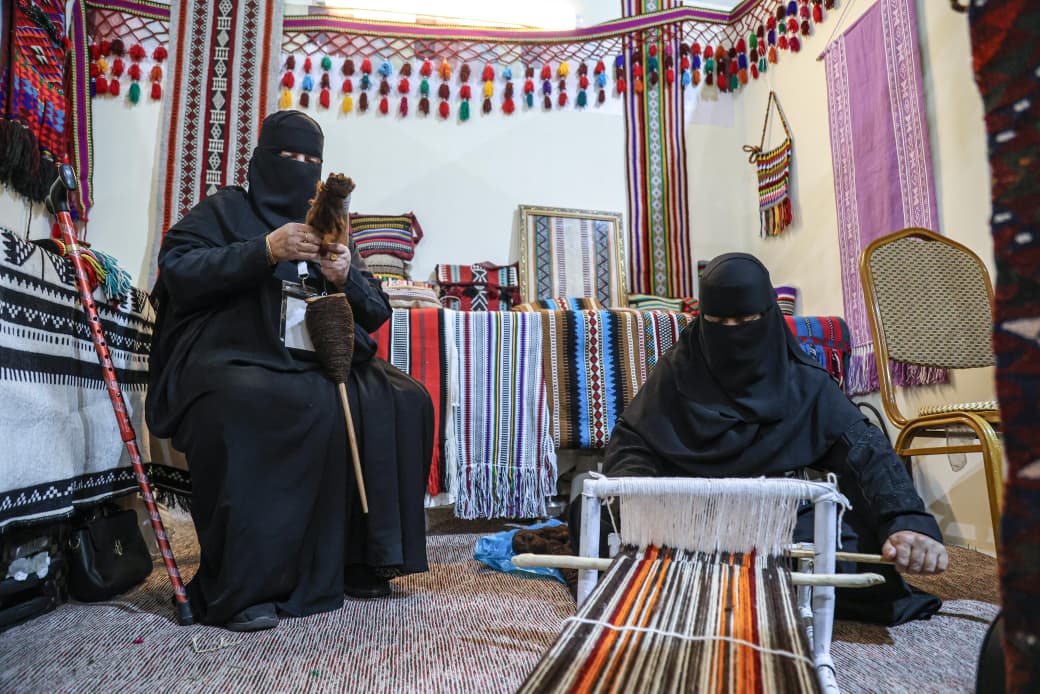
Al-Hanaya added that the festival aims to broaden the horizons for productive families and artisans to enter the market and connect them directly with consumers. This contributes to the sustainability of their businesses, enhances the quality of their products, and strengthens their competitiveness, in line with the objectives of economic development and diversifying income sources.
Al-Hanaya explained that the festival contributes to supporting the goals of diversifying the local economy, promoting a culture of reliance on national products, and transforming heritage products into value-added economic opportunities while preserving their identity and quality.