Gulf Summits: Strengthening Regional Cooperation Over Four Decades
Over four decades, Gulf Summits have evolved from periodic meetings of Gulf Cooperation Council (GCC) leaders into key milestones that strengthen fraternal ties and promote joint action based on shared goals. This cooperation is rooted in a legacy of social, historical, and cultural cohesion that predates the council's establishment.
The unity reflected in these summits is not merely a response to circumstances; it arises from political awareness and a shared belief that regional stability and prosperity can only be achieved through solidarity and integrated policies.
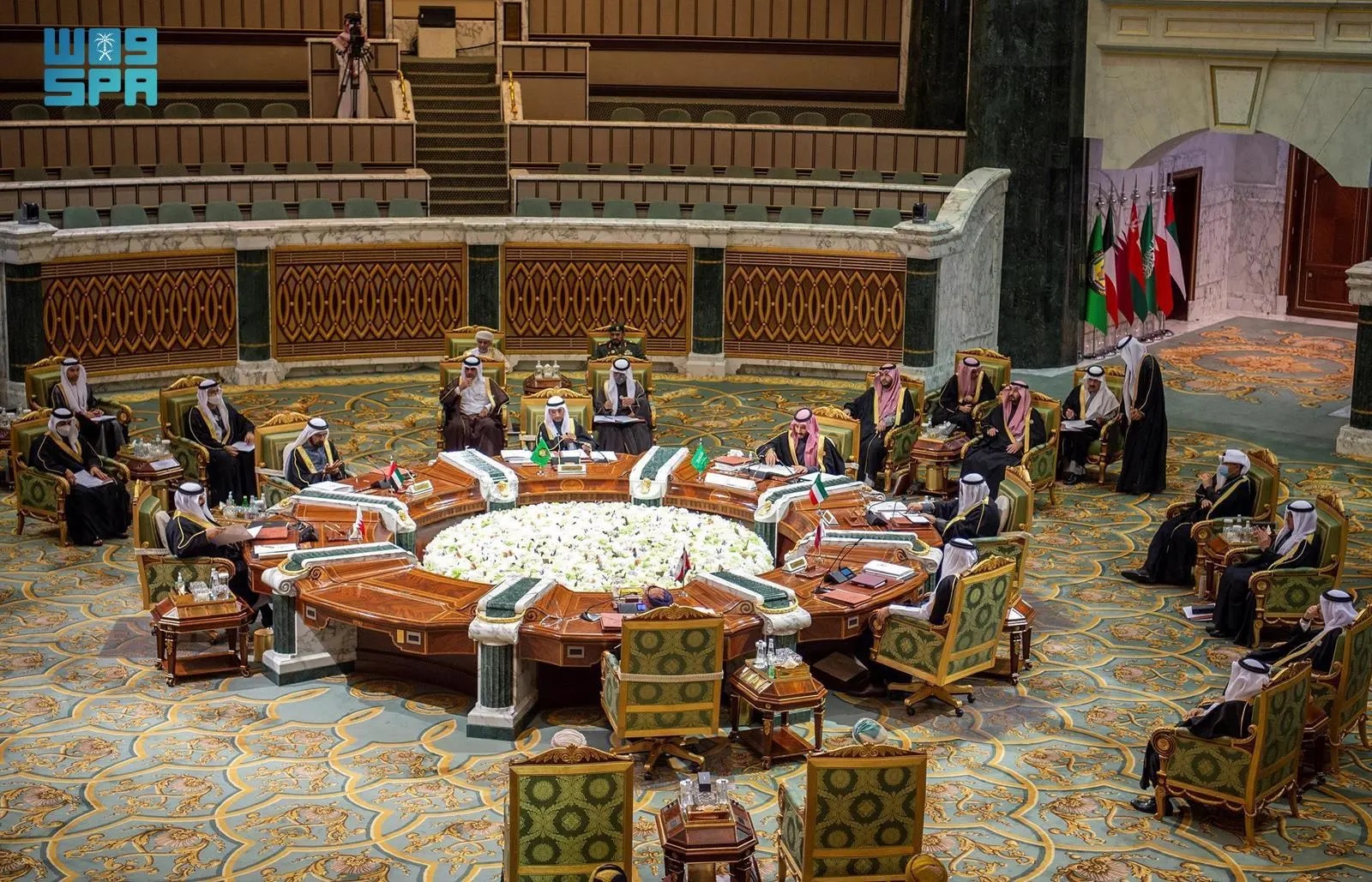
His Royal Highness Prince Mohammed bin Salman bin Abdulaziz Al Saud, Crown Prince and Prime Minister, is participating in the 46th Session of the GCC Supreme Council as part of the Kingdom's efforts to enhance joint Gulf action, aligned with the vision approved by GCC leaders in 2015. This vision established a framework for integration, particularly in defense, security, and the economy, reorganizing cooperation tracks and improving coordination among member states.
As the 46th session convenes in Bahrain, GCC states draw on a strong record of achievements and experiences that showcase their resilience in adapting to challenges. This summit is an opportunity to consolidate past accomplishments and set priorities for the future, focusing on economic integration, regional security, energy, climate, and international partnerships to meet the aspirations of Gulf peoples for prosperity and stability.
The evolution of Gulf Summits reflects the steadfast political will of GCC leaders. Unity and forward thinking are pivotal to establishing a cohesive regional system capable of continual development and adaptation to global changes. Each summit renews this commitment, affirming that the Gulf Cooperation Council will endure as a vital model of unity in the Arab region and will continue to advocate for the security, development, and prosperity of Gulf peoples.