Makkah Neighborhoods and Rawashin: A Visual Identity Enriching Urban Development and Preserving the Memory of Place
Makkah’s traditional neighborhoods and rawashin stand as core elements of the city’s visual and architectural identity, serving as historical markers that reflect the Makkah way of life over successive centuries and embody the relationship between people and place in a city whose urban fabric has long been shaped by its religious, social, and climatic characteristics.
Efforts to preserve, document, and reintegrate these elements into urban development projects align with the objectives of Saudi Vision 2030, which seeks to safeguard heritage and highlight cultural diversity.
Makkah’s neighborhoods are distinguished by their narrow, graded alleys, which helped moderate the climate, provide shade, and strengthen social interaction among residents. The wooden rawashin, meanwhile, emerged as a distinctive architectural feature combining function and aesthetics, contributing to the regulation of light and airflow while maintaining privacy.
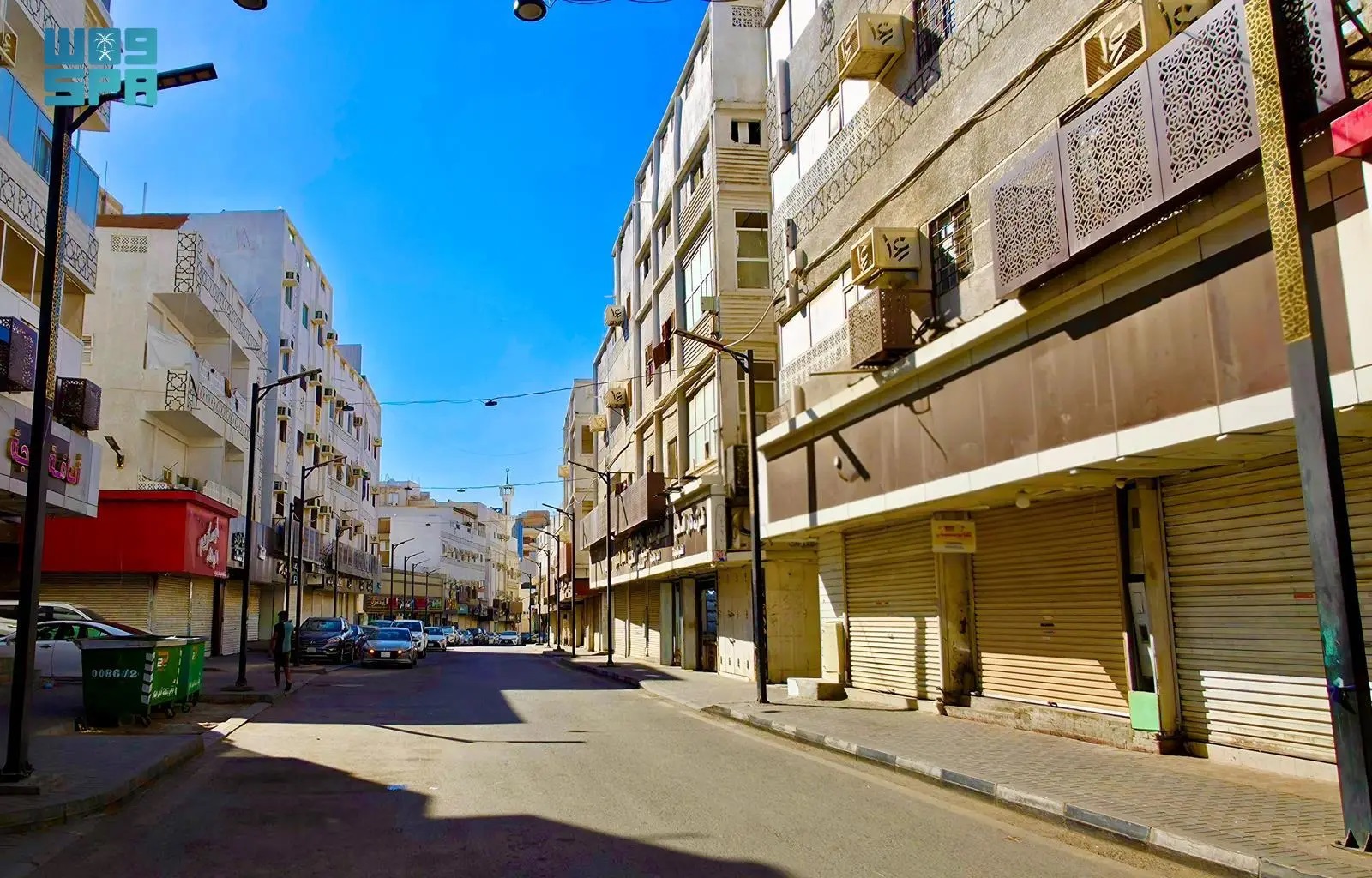
Several historic Makkah districts continue to retain the features of traditional alleys and rawashin, most notably Al-Shubaikah, Al-Masfalah, Ajyad, Jarwal, Harat Al-Bab, and Al-Maabdah, in addition to well-known historic lanes that together formed a cohesive urban fabric reflecting the spirit of old Makkah.
Estimates by heritage architecture specialists indicate that more than 60% of historic residential buildings in Makkah once featured wooden rawashin, often crafted from imported timber treated using traditional methods. These structures improved natural ventilation and reduced indoor temperatures, while also lending façades a distinctive visual character.
Architects note that rawashin represent an early model of sustainable architecture, making their revival in modern projects a valuable addition that strengthens the city’s environmental and visual identity.
In recent years, Makkah has hosted several specialized photography exhibitions documenting its historic neighborhoods and rawashin, including exhibitions held at cultural and academic centers, as well as documentation and architectural workshops organized in cooperation with cultural and academic entities. These initiatives brought together specialists in heritage, architecture, and photography to document historic buildings, monitor urban transformations, and raise awareness of the importance of preserving Makkah’s identity.
The workshops included training programs in architectural documentation, drawing, photography, and restoration methods, contributing to the development of a new generation of professionals interested in urban heritage.
Specialists emphasize that continuing to document and revive Makkah’s neighborhoods and rawashin within urban development projects represents a strategic step toward a city that respects its history, responds to future aspirations, and offers a balanced urban model that unites the sanctity of place with its rich cultural heritage.