Traditional Winter Farwah in Qassim Stands the Test of Time
As winter sets in across Qassim Region, the traditional farwah makes its seasonal return, offering more than warmth during the colder months. Rooted in the region's social and cultural heritage, the garment evokes memories of traditional ways of life and keeps generations connected to their shared folk heritage.
Traditionally, the farwah was essential during the cold winter months, particularly in desert life. It was worn at social gatherings, on desert trips, and while traveling. Over time, it evolved beyond its practical role as a source of warmth to become a cherished part of traditional dress and a symbol of local identity.
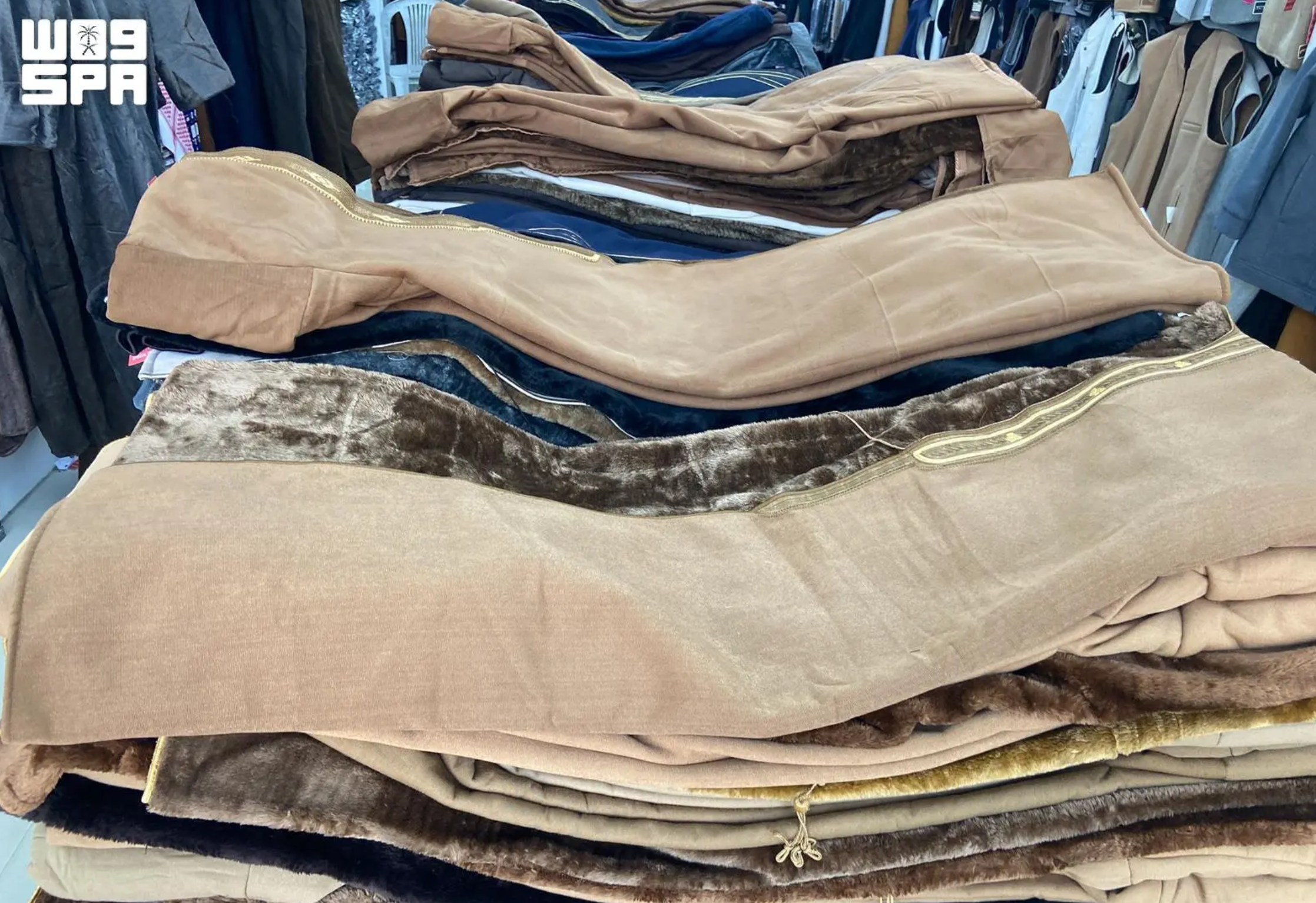
The craft of farwah making has evolved over the years, with changes in materials, designs, and styles. Once made primarily from sheep and goat hides and natural wool, the garments are now available in natural and synthetic fur, as well as modern fabrics. A wider range of colors, sizes, and designs caters to different tastes and age groups while preserving the garment's traditional character.
Its growing popularity among younger generations reflects the continued appeal of traditional clothing. No longer worn mainly by older people, the farwah has become a popular winter choice for young people seeking a blend of heritage and contemporary style. Specialized shops and skilled artisans also help sustain the tradition by offering varied designs while preserving traditional tailoring skills.
Today, the farwah remains an enduring feature of winter in Qassim. More than a garment worn for warmth, it carries a collective social memory, recalling aspects of life in earlier times. Having adapted to changing tastes and lifestyles, it continues to hold its place and value across generations.